@KeepAmericaBeautiful
Posted on Facebook
This post lives on Facebook. Loading it tells Facebook you are on this page and lets Facebook use the cookies it holds in your browser.
Beautification
May 22, 2025 · McCall Vrydaghs
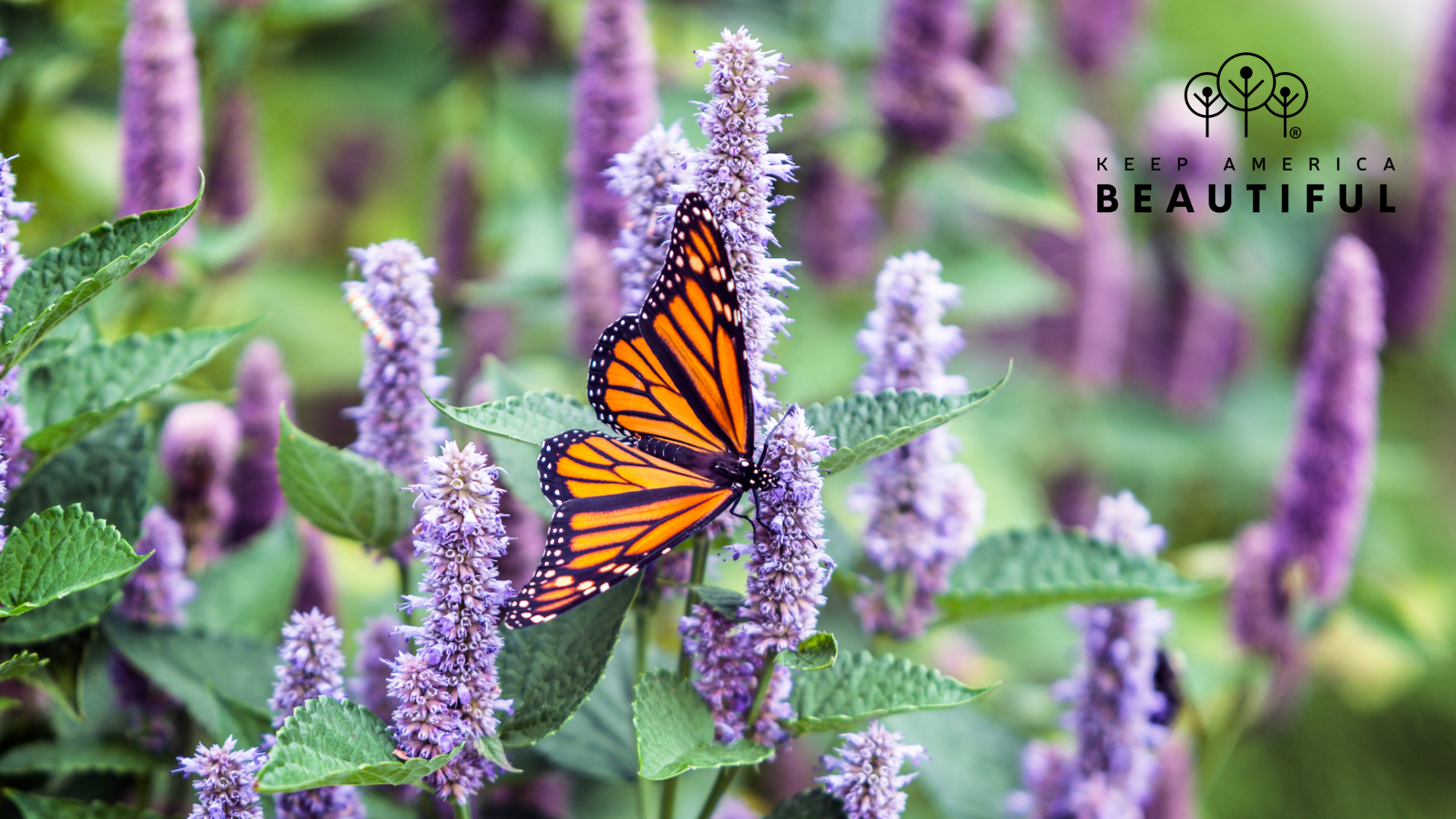
This spring, give your garden a greater purpose. Whether you’re planting a single flower pot or rethinking your entire yard, choosing native plants is one of the most beautiful and powerful ways to make a difference.
Native plants don’t just look great. They’re low-maintenance, water-wise, and incredibly beneficial to the environment. These resilient species evolved alongside local wildlife, creating a deep, lasting connection that supports pollinators, protects natural resources, and brings life to your landscape.
Native plants are stunning in every season – offering blooms in spring and summer, vibrant leaves in fall, and seed heads or colorful bark through winter. With hundreds of species to choose from, you can design a space filled with unique colors, textures, and fragrances, all while celebrating the natural heritage of your region.
They’re also practical. Native plants thrive in a variety of conditions—from shady and wet corners to sunny, dry slopes—making them a smart choice for any space.
Because they’re adapted to local soil and climate, native plants need less watering, mowing, and chemical care. That means:
Their deep root systems make them naturally drought-resistant, better at filtering rainwater, and more effective at slowing runoff before it reaches storm drains. That means less flooding, cleaner waterways, and recharged groundwater reserves.
And don’t worry about a perfectly manicured look – leaving seed heads through winter provides valuable food for birds, while stems trimmed to 18 inches offer safe overwintering spots for native insects. It’s a win-win for wildlife and your to-do list.
https://www.youtube.com/watch?v=KsUYHKTCcZQ (opens in a new tab)Pollinator Power: How Native Plants Like Oaks and | RSS.com (opens in a new tab)
A native garden is more than just a collection of plants – it’s part of a larger ecological system. These plants:
Even a few native plantings can create vital stepping stones for wildlife in urban and suburban areas. And when neighbors join in, those small efforts grow into something truly impactful.
Check your region and USDA hardiness zone (opens in a new tab), but here are some top-performing native plants to get you started:
Even herbs like mint, thyme, and lavender are beneficial and easy to grow in containers or garden beds.
Video from What to Plant
According to the National Wildlife Federation, even transforming 70% of your yard to native plants can make a measurable impact—especially when neighbors and communities join in. If every gardener added just a few native species, we could rebuild lost habitat one garden at a time!
Not sure where to begin? Use tools like:
Planting native species isn’t just good for the planet – it’s a powerful way to take action right in your own backyard! It’s low-maintenance, eco-friendly, and full of natural beauty. And when you choose to plant with purpose, you’re doing more than improving your landscape. You’re helping your community thrive.
Every native flower, shrub, and tree you plant is a step toward cleaner air, healthier soil, safer water, and more vibrant local wildlife. It’s one of the simplest and most rewarding ways to #DoBeautifulThings for your neighborhood and the world around you.
Want to take your impact even further? Join the Greatest American Cleanup, a national movement to clean, green, and beautify communities across the country. Whether you’re planting a pollinator garden, revitalizing a green space, or simply spreading the word, your efforts matter.
Let’s grow something beautiful—together!
facebookinstagramtwitteryoutubelinkedinspotifyitunes
Keep America Beautiful®, the nation’s leading community improvement nonprofit organization, inspires and educates people to take action every day to improve and beautify their community environment. Established in 1953, Keep America Beautiful® strives to End Littering, Improve Recycling, and Beautify America’s Communities. We believe everyone has a right to live in a clean, green, and beautiful community, and shares a responsibility to contribute to that vision. The organization is driven by the work and passion of 700 Keep America Beautiful® affiliates, millions of volunteers, and the collaborative support of corporate partners, social and civic service organizations, academia, municipalities, elected officials, and individuals. Join us on Facebook (opens in a new tab), Instagram (opens in a new tab), Twitter (opens in a new tab), Linkedin (opens in a new tab), and YouTube (opens in a new tab). Donate and take action at kab.org. MEDIA CONTACTS: McCall Vrydaghs Keep America Beautiful® communications@kab.org (opens in a new tab)
Posted on Facebook
This post lives on Facebook. Loading it tells Facebook you are on this page and lets Facebook use the cookies it holds in your browser.
Stay in touch
Get stories, ideas, and practical ways to help make your community cleaner, greener, and more beautiful — sent straight to your inbox.
or text LITTER to 475-500-8569
By texting LITTER to 475-500-8569 you agree to receive automated promotional and customer support text messages from Keep America Beautiful. Msg. frequency varies. Msg. and data rates may apply. You can opt-out anytime. Reply STOP to cancel, HELP for help. View Privacy & Terms.
Litter
June 5, 2026 · McCall Vrydaghs
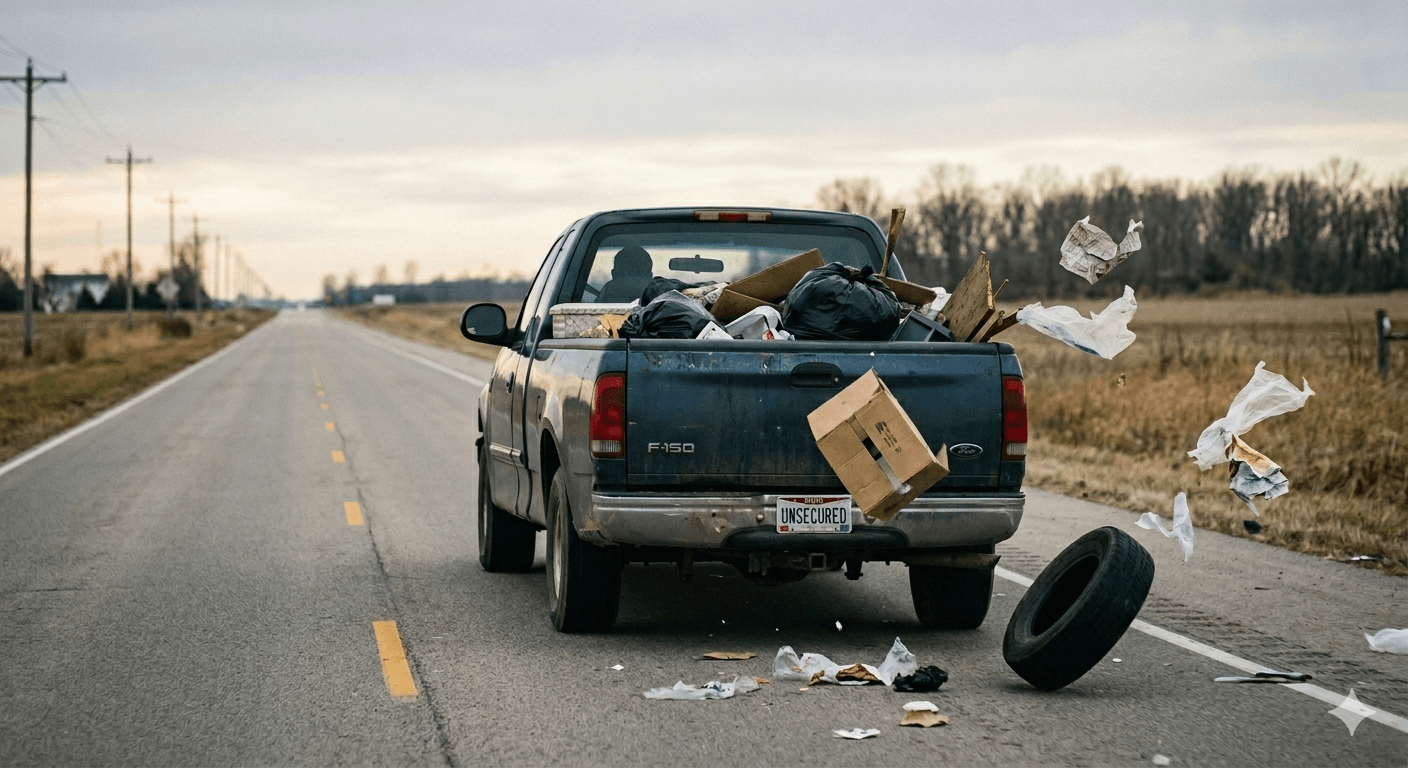
According to the Keep America Beautiful 2026 National Litter Study, an estimated 454 million pieces of roadway litter are linked to unsecured loads.
March 3, 2026 · McCall Vrydaghs
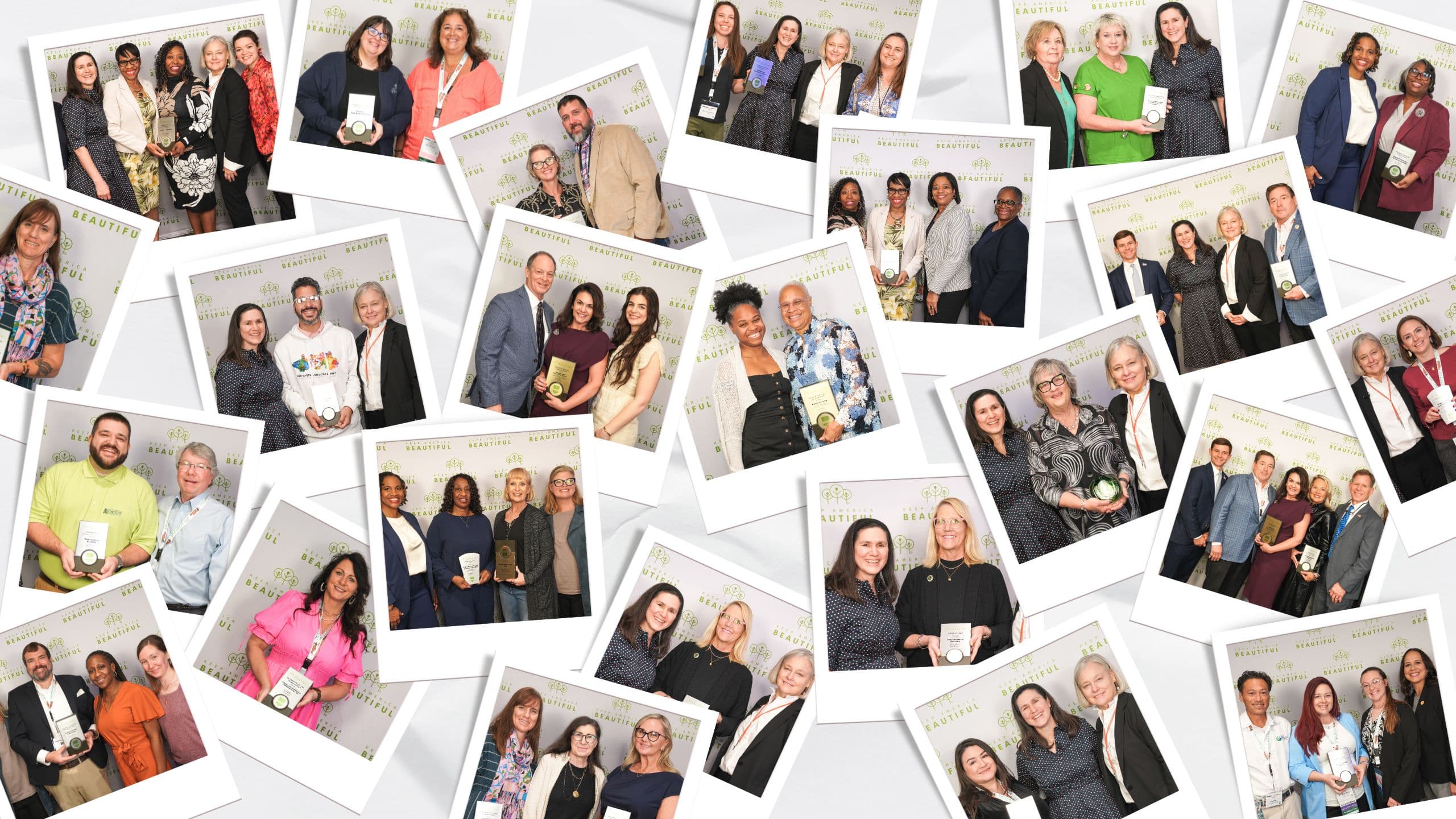
Thirty-eight affiliates and partners honored in New Orleans for advancing clean, green, and beautiful communities

Litter
February 2, 2026 · McCall Vrydaghs
Celebrate Valentine’s Day sustainably with eco-friendly practices. Discover tips for a more environmentally conscious and waste-free celebration.