CIGARETTE LITTER PREVENTION PROGRAM
Cigarette butts are the single most littered item in the United States, and they carry a filter that does not break down. The fix turns out to be unglamorous and effective: put a receptacle where people actually smoke.
Cigarette litter prevention and recycling program
The Cigarette Litter Prevention and Recycling Program (CLPR), created by Keep America Beautiful® in 2002, is the nation’s largest program aimed at eliminating cigarette litter.
About the CLPR Program
According to the Keep America Beautiful 2026 National Litter Study, 3.8 billion cigarette butts are present across the nation’s roadways, waterways, and coastal areas at any given time.
The Cigarette Litter Prevention and Recycling Program is the nation’s largest program aimed at reducing cigarette litter. Communities implementing the program reduce cigarette litter by half based on local measurements taken in the first four to six months after the program is implemented. Since its inception, the program has been implemented in more than 1,800 U.S. communities.
TerraCycle Partnership
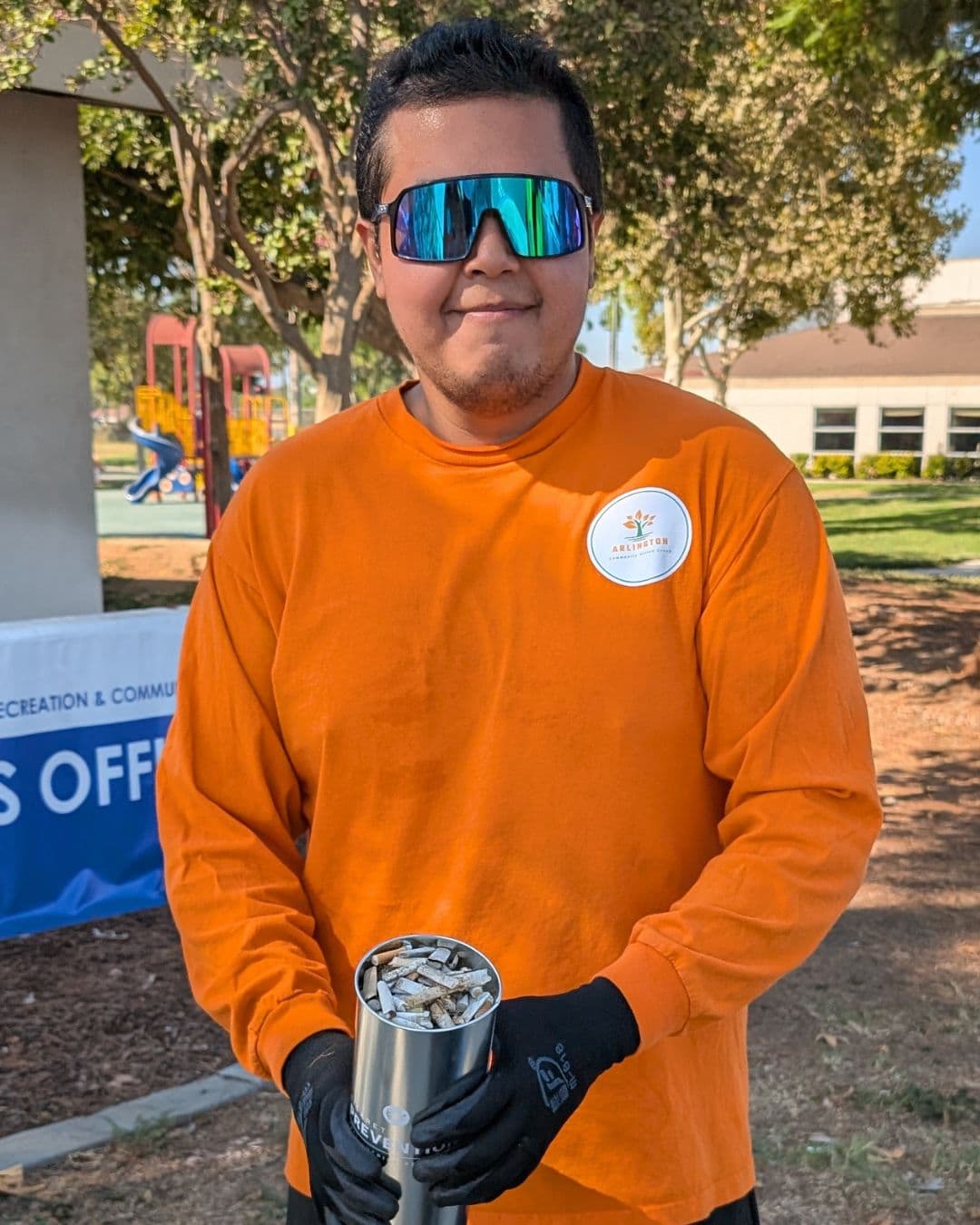
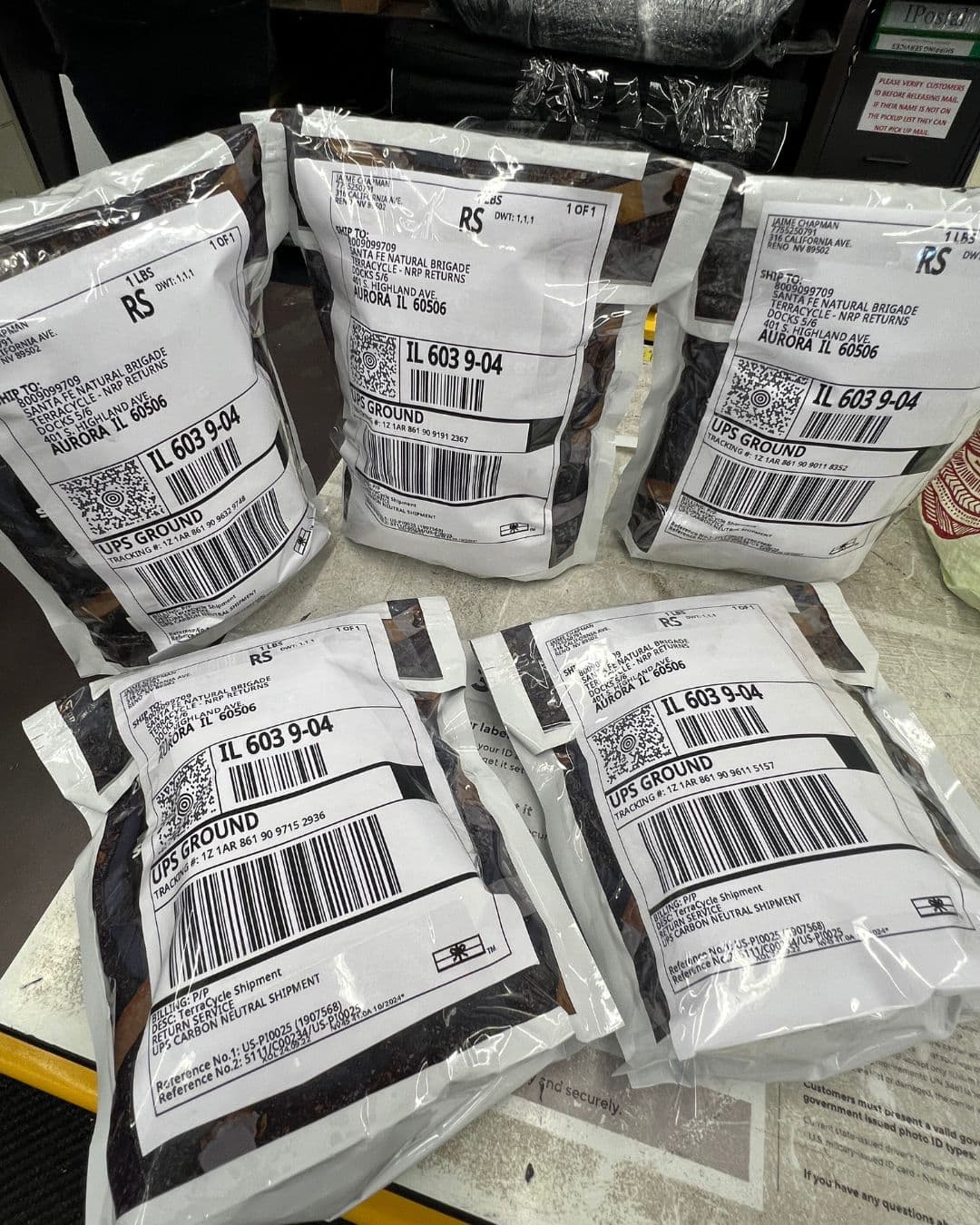
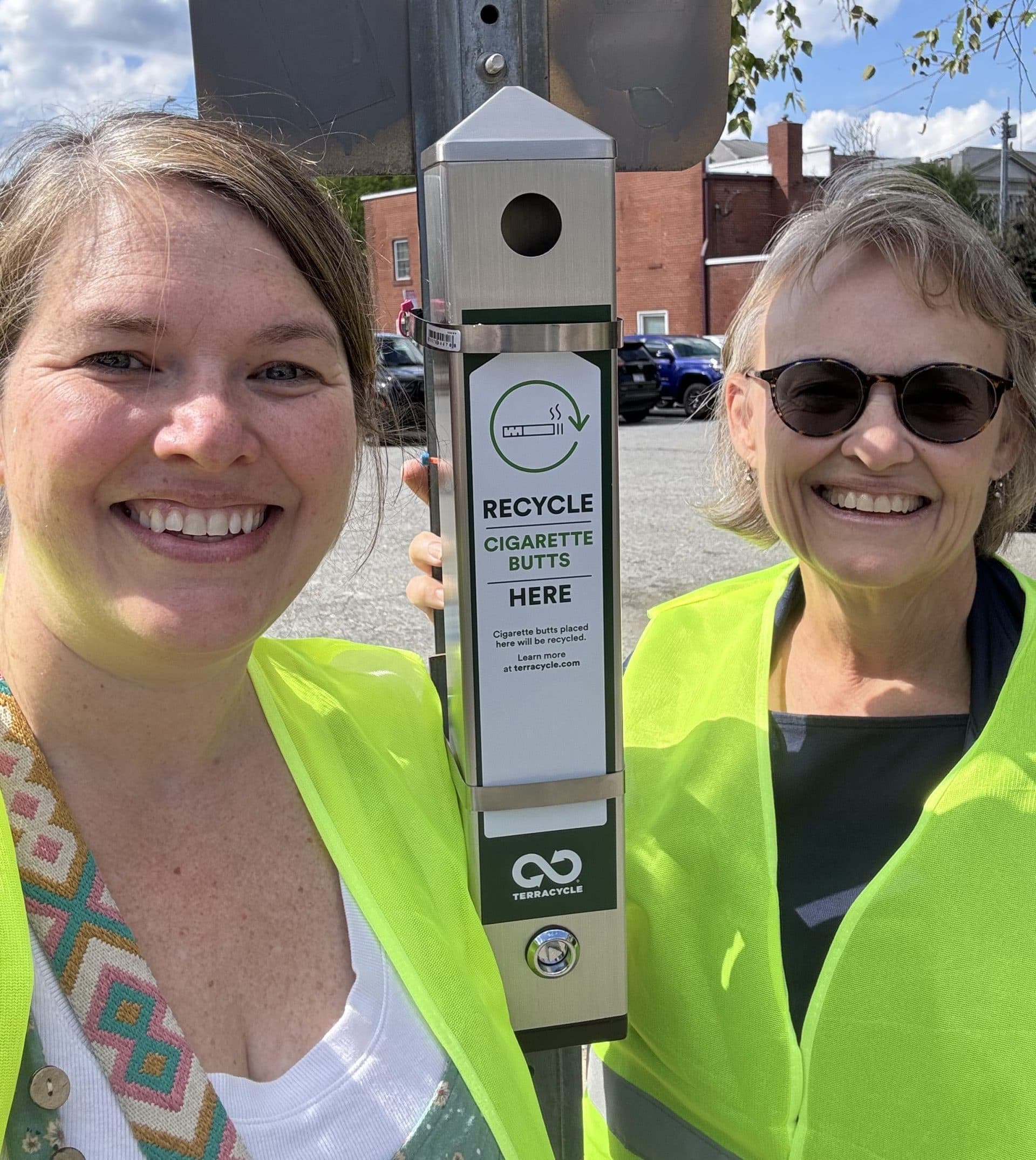
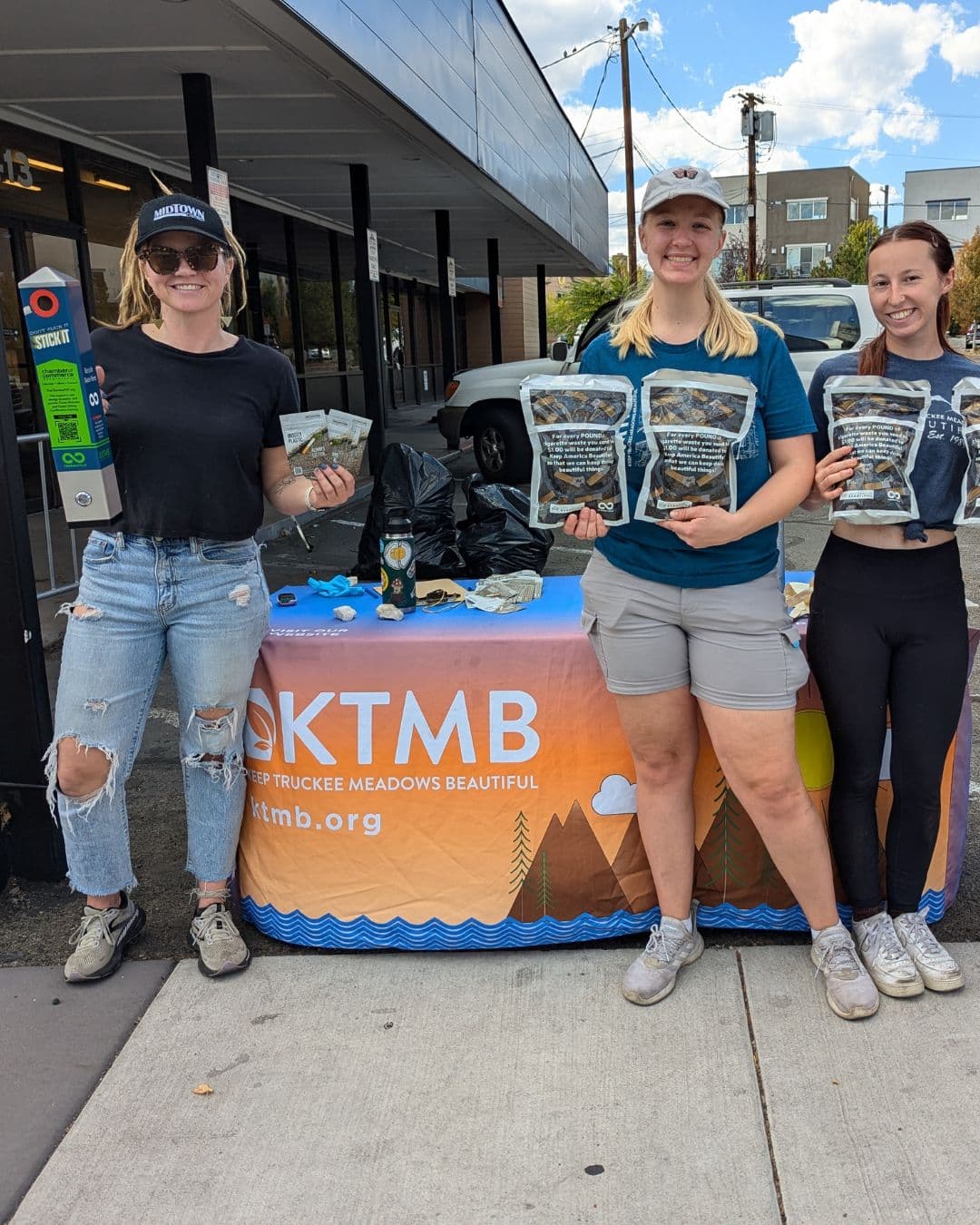
Cigarette filters don’t break down naturally and will persist in our environment when littered. Removing this litter from our communities through organized cleanups is just the beginning of keeping cigarette butts out of our parks and waterways. After hosting a cleanup, collecting them at home, or with a cigarette receptacle, separate cigarettes from other trash and send them to TerraCycle to be recycled using a FREE shipping label available HERE (opens in a new tab).
Recycling Cigarette Butts Into Products
How does clpr work?
An effective local Cigarette Litter Prevention and Recycling Program includes four proven, field-tested solutions or strategies for reducing cigarette butt litter.
- Review local litter laws, including cigarette butt litter, and support enforcement
- Raise awareness about the issue of proper cigarette butt disposal using messaging and marketing campaigns
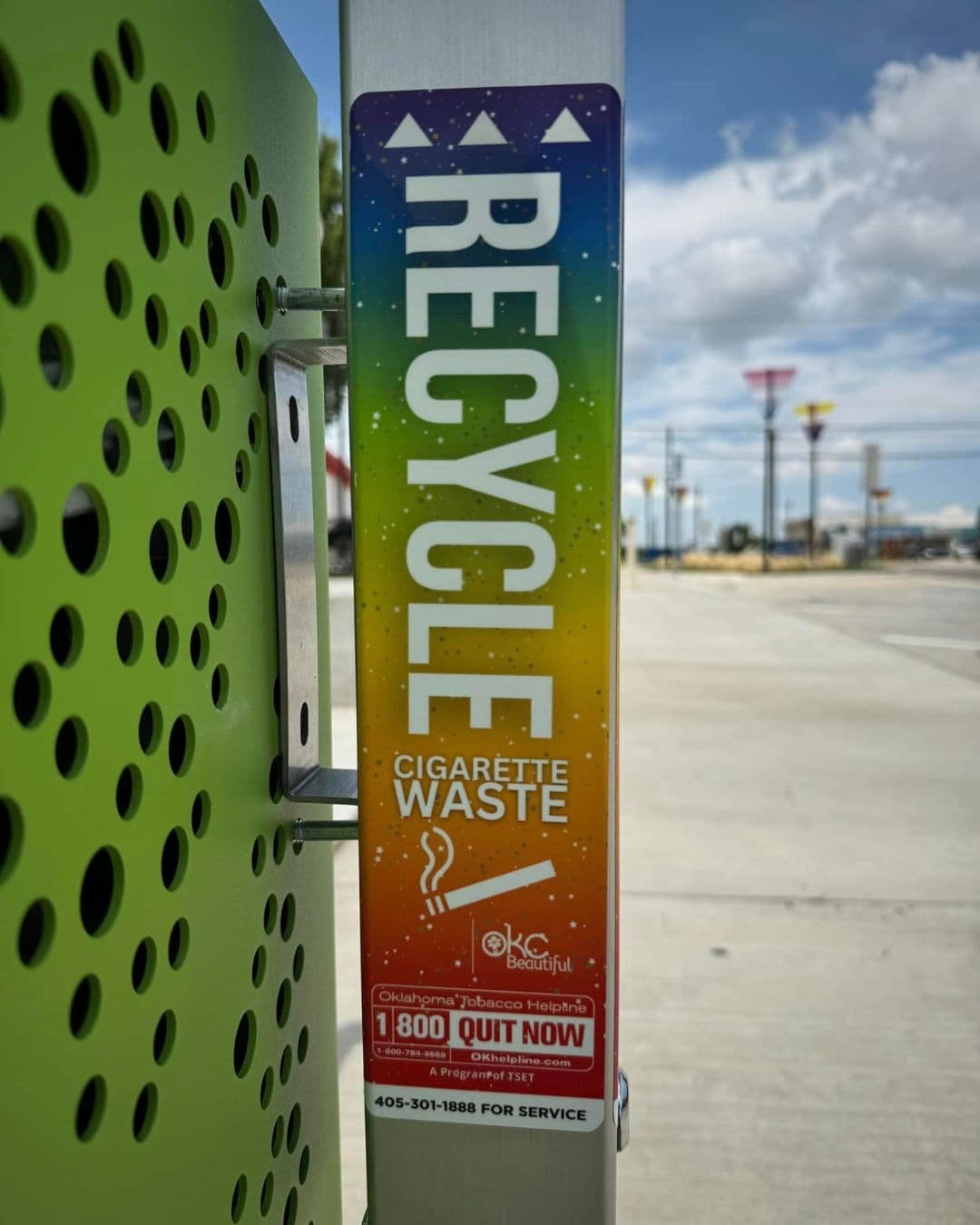
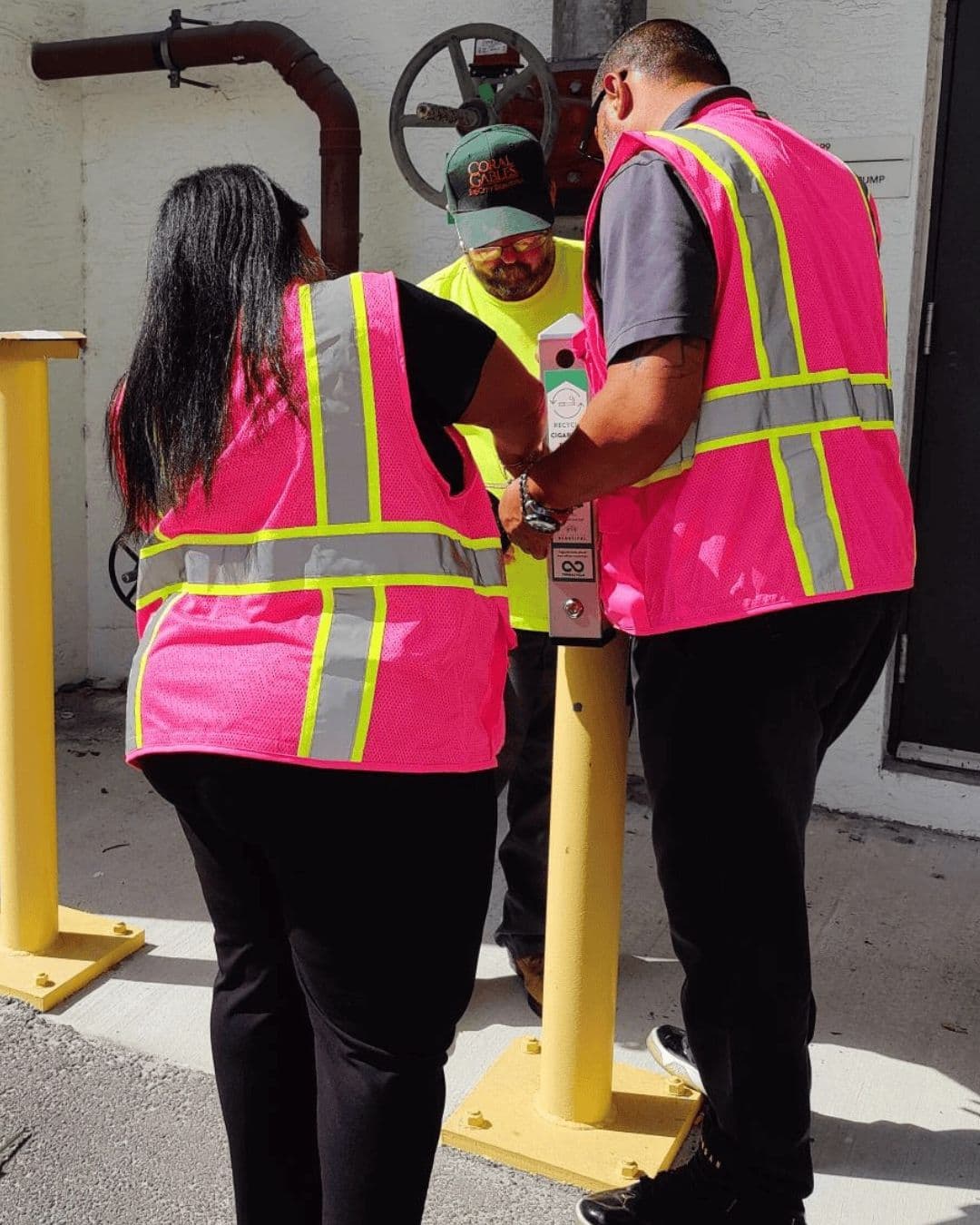
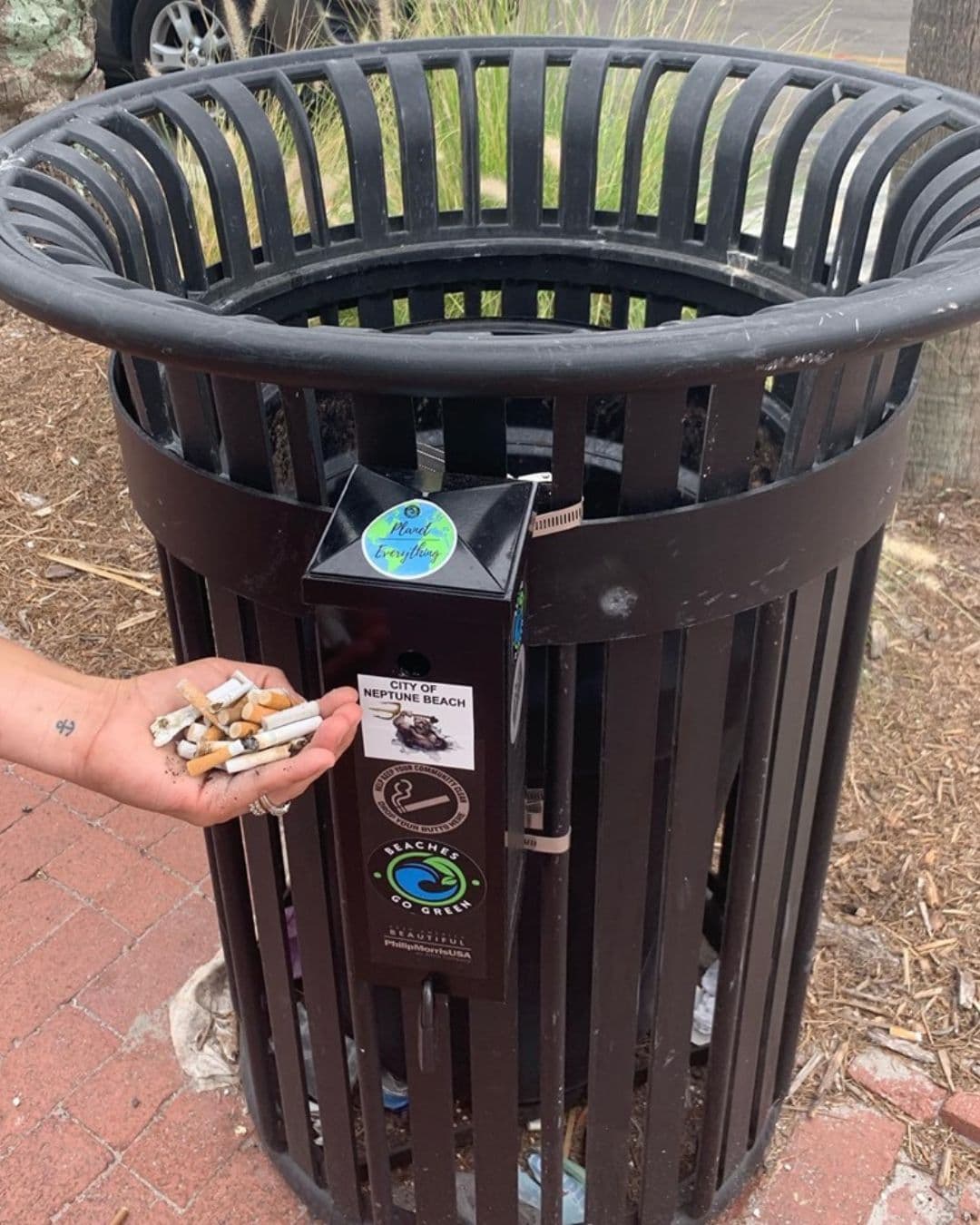
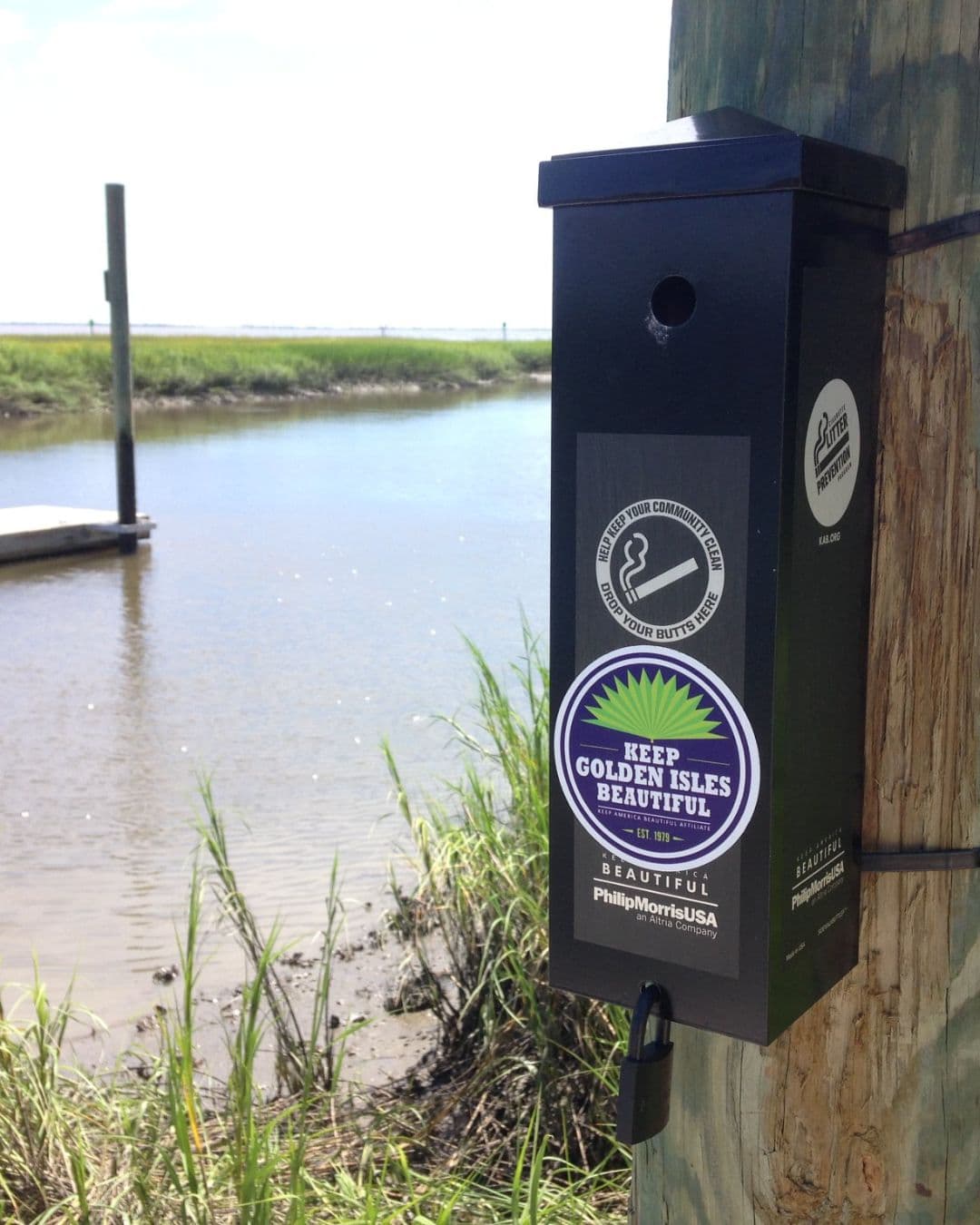
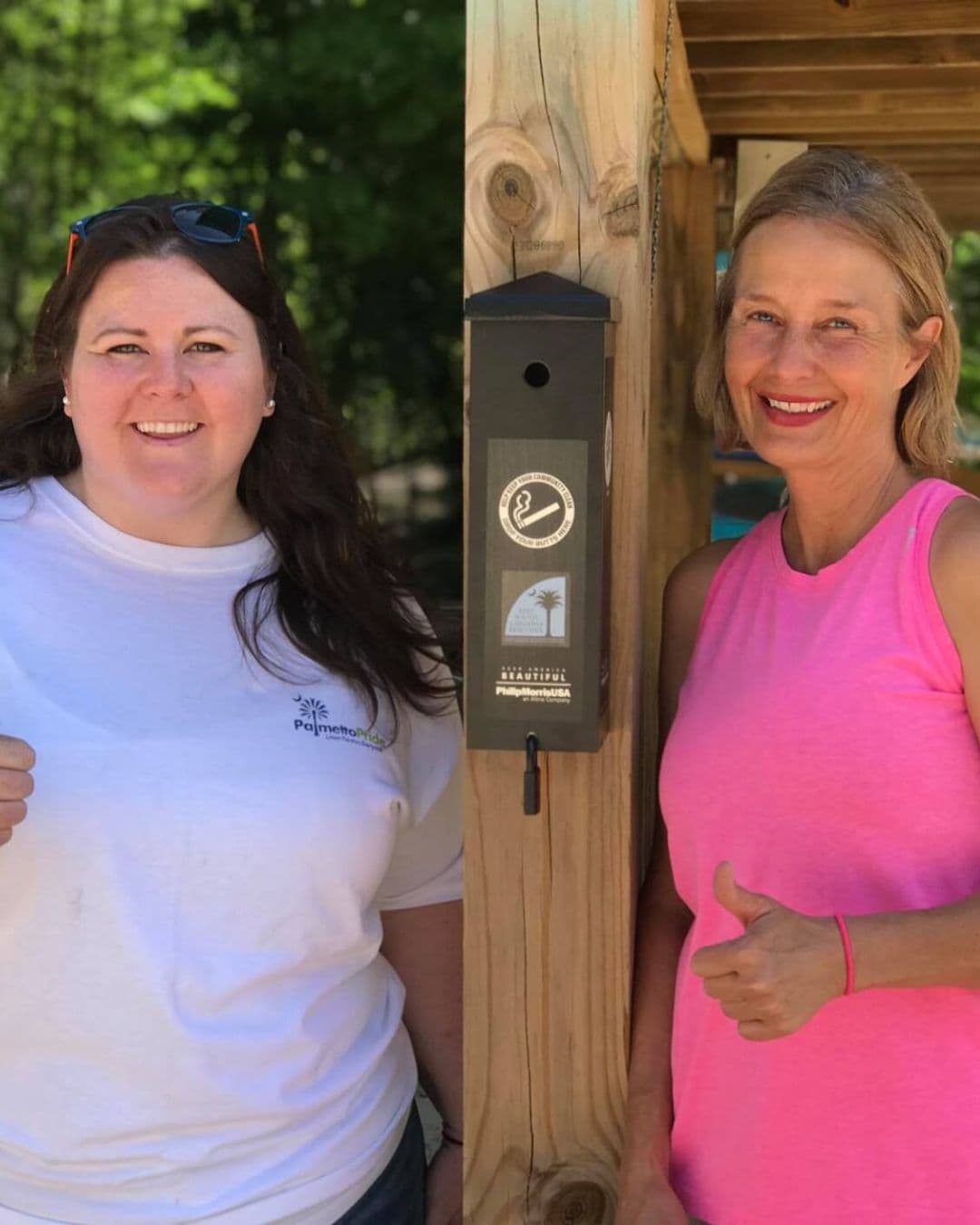
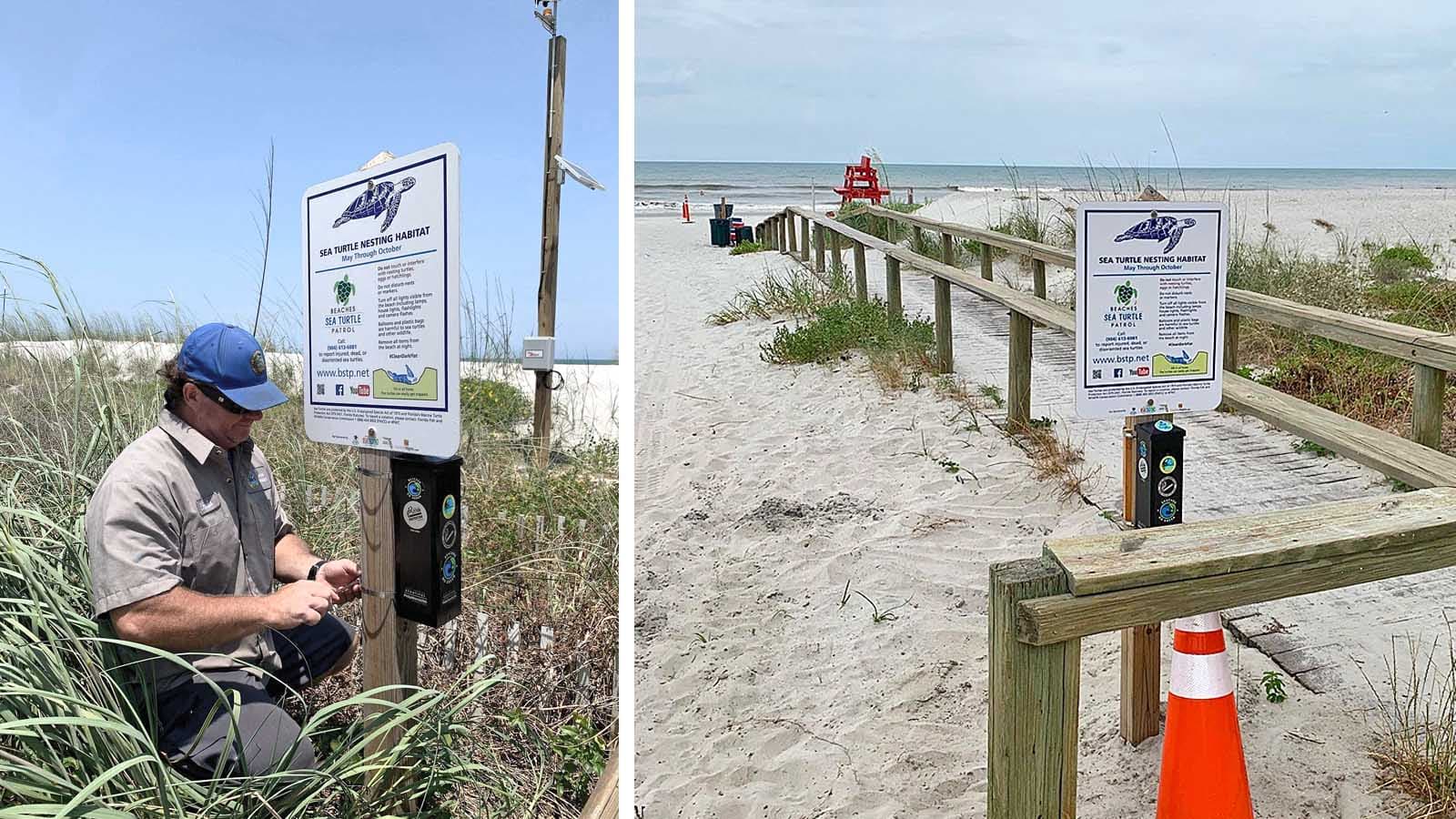
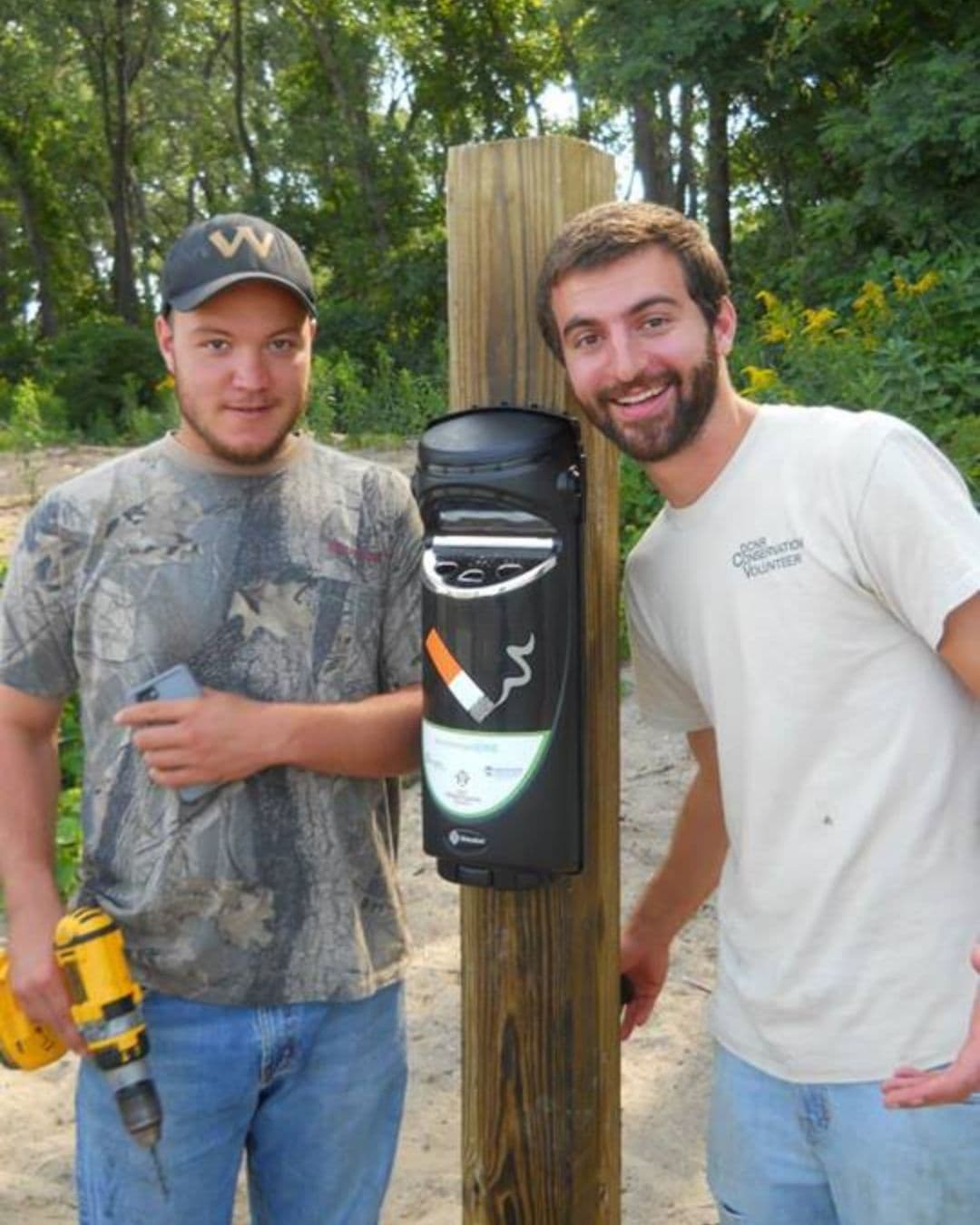
- Place ash receptacles at transition points to non-smoking areas like beaches, hospitals, or public parks; and
- Distribute pocket or portable ashtrays to adult smokers
Each year Keep America Beautiful awards grants to our affiliates and other nonprofit organizations doing the on-the-ground work of cleaning up cigarette butt litter in their communities.
1 of 24
Inside the effort to reduce cigarette litter
Keep America Beautiful to Award Up to $375K in Grants to Combat Cigarette Litter
February 2, 2024 · McCall Vrydaghs

Exploring the Path to a Waste-Free Future: A Conversation with TerraCycle
November 20, 2023 · McCall Vrydaghs
Keep Butts Off the Ground, Keep Communities Beautiful
Everyone can make a difference—starting with simple actions like picking up litter, including cigarette butts, to help clean, green, and beautify our communities. Join the movement and take the first step today. Explore more CLPR resources below.
The movement, measured
More than two decades of it
1,800+
Communities
Have run the program since 2003
50%
Average reduction
In cigarette waste where implemented
63%
Where receptacles landed
Estimated drop in 2023 sites
20%
Of all litter
Is cigarette butts, nationally
261,000
Pounds recycled
Filters diverted since 2014
$375K
In grants
Offered in the 2024 round
Source: Keep America Beautiful — Cigarette Litter Prevention Program, cumulative to 2024; butt share from the 2020 National Litter Study (kab.org)
Three ways in
Small item, national problem
One in five pieces of litter on the ground in America is a cigarette butt. Your affiliate can tell you whether a program is already running near you.
Cigarette butts are the single most littered item in the United States, and the 2020 National Litter Study put them at 20% of the litter found on the ground and in waterways. Cigarette filters do not break down naturally, and will persist in our environment when littered.
The research points at a fix that is almost mundane. Smokers are significantly less likely to litter when a convenient ash receptacle is nearby — so the program funds receptacles, pocket ashtrays and the local infrastructure that makes not littering the easier option.
What it has changed
Since 2003 the program has run in more than 1,800 communities, achieving an average 50% reduction in cigarette waste. Nearly 1,000 receptacles distributed in 2023 produced an estimated 63% reduction where they were installed.
Butts become benches
Since 2014 a partnership with TerraCycle has recycled more than 261,000 pounds of cigarette butts — about the weight of an adult blue whale — into park benches and ashtrays.